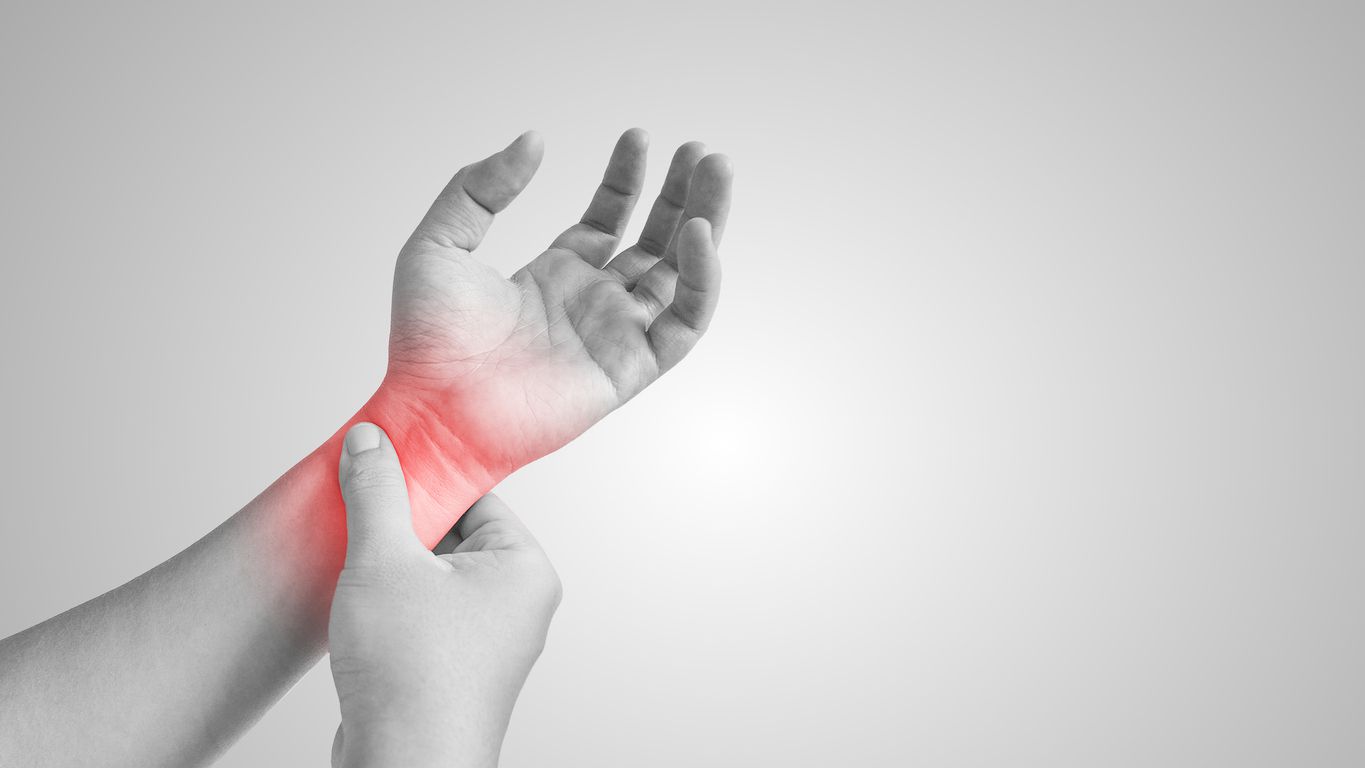
Have you ever tried to reach for something above you, remove your wallet from your back pocket, or scratch your back but ended up wincing in discomfort? This could be a sign of a frozen shoulder, which is characterized by discomfort, stiffness, and loss of joint movement.
A frozen shoulder progressively develops in three stages and might take a long time to recover from. Your healthcare professional will advise you on what to do and avoid in order to recover rapidly and swiftly regain your range of motion. Here are the must Do’s and Don’ts for Frozen Shoulder Treatment In India:
Do’s and Don’ts For Frozen Shoulder
Do’s
Consult Jipsi’s Physiotherapists; Top Physiotherapist In India
We are delighted to announce with you that Dr. Gaurav Kant Sharma, Musculoskeletal Interventional & Sports Radiologist at Mahatma Gandhi Hospital has invented an innovative method for treatment of frozen Shoulder.
The Technique is known by the name of “Gaurav-Botchu Technique” of hydrodilatation of shoulder and it is recognized by the Polish Journal of Radiology, an eminent Pubmed Indexed Medical Journal.
Dr. Gaurav Kant Sharma said, "Frozen shoulder is very frequent in diabetics or those who are middle aged or older people. In some instances, patients get relief through physiotherapy, but majority of patients still suffer from the condition despite vigorous physiotherapy."
Dr. Gaurav - Gaurav Botchu Technique gives total comfort for patients suffering from pain and helps them regain their mobility.
Dr Gaurav said, this non-surgical, painless treatment is performed using a single needle prick and fluid. The procedure takes just 15 minutes and patients can go at home in 30 minutes. Within 48 hours, he will experience complete relief from pain and recovers his full shoulder motion. Dr. Gaurav has treated many patients with this unique treatment method.
Use Your Affected Arm Frequently
- It won't assist your arm or shoulder heal if you keep them still. Resting these areas continuously will only make your situation worse.
- Reduced or complete immobility, which can result from conditions including a broken arm, a stroke, healing from surgery, or a shoulder injury, is one of the most typical causes of a frozen shoulder. The capsule that surrounds the joint thickens and tightens while you keep your arm and shoulder stationary.
- On the other hand, if you carry out light exercises as directed by your medical professional or therapist, you can increase the strength and range of motion in your shoulder, also for a better assistance you can contact Jipsi to get treated in a gente way and to fix your frozen shoulder..
Don’ts
Don’t skip your Physiotherapy session: - Physical therapy is one of the most crucial components of your treatment strategy. You will learn exercises from your therapist that emphasize extending the joint capsule. Strengthening workouts can be added once your health has improved.
Attend all of your physical therapy appointments if you have a frozen shoulder in order to maintain your progress. The initial few sessions are crucial because this is when they assess your health and provide you with exercise instructions.
You'll discover how far you can push yourself under your therapist's direction without endangering your shoulder when you perform them at home. Don't move on to strengthening exercises without your doctor's advice, and don't get ahead of yourself.
Don't engage in painful activities
Although maintaining shoulder mobility is essential for healing and recuperation, you should still avoid pulling, jerking, and jarring movements. These motions will simply exacerbate the discomfort and put additional strain on your muscles. The tendons in your arm will have to work harder if you keep moving your shoulder in unpleasant ways, which could lead to tendonitis.
Examples of this include taking your dog for a walk or participating in contact sports without consulting your doctor. Don't rush your recovery because a frozen shoulder may take some time to recover. You will gradually learn How To Get Rid Of a Frozen Shoulder with practice.